
LETTER — Reconciliation has been on back burner too long
LETTER — For too long, governments have relegated fair agreements with Canada’s Aboriginal peoples to the back burner. As most of us have learned in our lifetimes, intentional procrastination serves to amplify and intensify the urgency of any matter. So in that time, the blight of poverty in Aboriginal communities has become more debilitating as health care, education, and economic conditions have been neglected. Traditional lands have been trampled. And anger and hopelessness have given roots to crippling social issues.
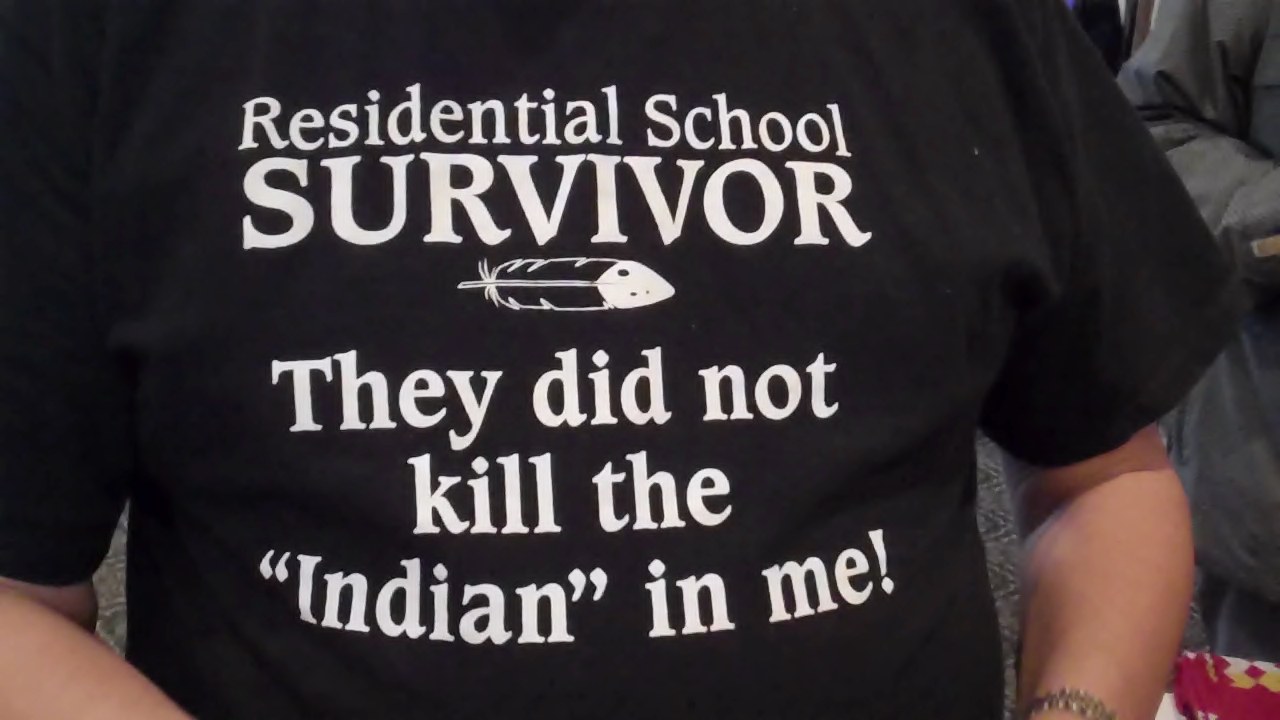 But recent events have created a sense of optimism that before us could be an era of great transition in the relationship between Aboriginal and non-Aboriginal peoples. The Supreme Court’s recent Tsilhqot’in decision has dramatically reformed the ‘rules of the game’ both in relation to land use and treaty rights negotiations. And in what has the potential to become one of the more transformative documents of our time, the Truth and Reconciliation Commission’s long-awaited report has been released – the result of eight years of investigation, research and survivor accounts.
“History plays an important role in reconciliation: to build for the future, Canadians must look to, and learn from, the past.” (TRC Report 2015)
Before paths of reconciliation can be pursued and mutually supportive and beneficial relationships forged, a crucial step needs to be realized – an awareness and appreciation of the truths about our past. The truths that for over a century, Aboriginal cultures and peoples have been stripped of their identities and integrity, leaving a scarred legacy of anger and angst that will last well into the future.
“Reconciliation is about coming to terms with events of the past in a manner that overcomes conflict and establishes a respectful and healthy relationship among people … going forward.” (TRC Report 2015)
Reconciliation cannot simply be achieved through legislation, band-aid funding, and government apologies. The true source for meaningful and significant change will stem from the collective soul and psyche of our nation as a whole – the awareness, beliefs, and actions of Canadians as a group of individuals.
Bridges constructed to the truths of the past serving to inform and guide the creation of pathways to the future. Pathways to reconciliation in its many forms and trekked by Aboriginal and non-Aboriginal peoples alike – in schools, churches, families, communities, organizations, businesses, governments, as well as within each of us.
And ultimately, reconciliation leads us to reaching out to one another – equal but not the same – moving us all into a brighter and healthier future together – one based on the tenets of truth, justice and mutual respect.
STEVE POWRIE
Liberal Candiate,
Kamloops Thompson Cariboo


Leave a comment