
FORSETH – The loudest voices do not represent the majority of people
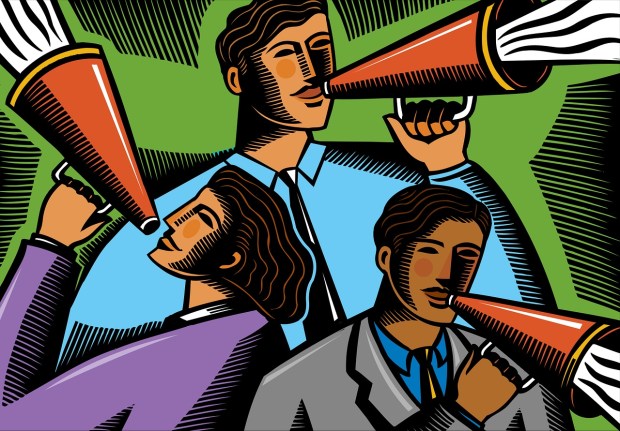
(Image: Revzak, Pixabay)
THIS SHOULD come as no surprise to anyone.
Political debate is increasingly being reduced to labels, insults, and automatic partisanship — and that is driving thoughtful, moderate voices out of the conversation.
 In recent years, political dialogue has become:
1) more performative theatrics; and
2) more hostile, with insults becoming the norm.
Terms such as MAGA (and even MAGAts) — or calling the NDP nutbars, degenerates, and parasites — for example, provoke immediate negative reactions, on both sides of the political spectrum.
Sadly, that style of polarization is increasingly influencing debate in Canada. Too often, one side attacks, the other retaliates, and the exchange generates more heat (flame-throwing as I call it) instead of insight.
What the loudest voices at either end of the spectrum do not understand is that they do not represent the majority of people who are simply trying to get by. Yet those voices increasingly dominate the tone of public discussion, leaving little room for restraint, or respectful disagreement.
The fact is, when people remain inside political echo chambers, their beliefs harden and opposing views are treated not as arguments to consider, but as identities — and individuals — to attack. The result is a culture in which slogans replace reason, and disagreement too easily turns into contempt.
That trend matters because moderates are often the first to disengage.
Many people who want a rational exchange of ideas are simply leaving political discussions rather than risking abuse from either side. As a result, a significant segment of the public is withdrawing, and the quality of democratic debate is declining.
A healthy democracy depends on citizens who can speak openly, disagree respectfully, and test ideas without being shouted down. If we normalize personal attacks as a substitute for argument, we will inevitably weaken the very habits that a healthy democracy requires.
The safer path is not silence or surrender, but a renewed commitment to disciplined, respectful public debate.
If we want stronger communities, a healthier province, and a more resilient country, we should reject name-calling and return to thoughtful discussion.
Alan Foresth is a Kamloops resident. For 40+ years he has been active, in a number of capacities, in local, provincial and federal politics, including running as a candidate for the BC Reform Party in the 1996 provincial election, and as a four-time provincial campaign manager.


COuld not have said it better myself, 100%
LikeLike
The pot calling the kettle black, your hypocrisy knows no bounds. Who did you have in mind when you came up with this drivel, Piere Poilieve, Dallas Brodie, Kerry-Lynne Findlay? Maybe it was from outside our borders, someone like Donald Trump or Nigel Farage. Do you see a trend here?
It’s not an either end of the spectrum debate when it’s always the same side lodging the attack. One side has clearly made this mess but won’t take ownership and the middle are sick of them.
LikeLiked by 1 person
No room for emotions in any debate? Which planet are you from?
LikeLike
While I agree that public discourse has become increasingly coarsened, I found your application of these principles to be somewhat selective.
You rightly criticize the use of derogatory labels, which you use consistently even in this article, in a similar rhetorical patterns, you frame opponents as extreme or out-of-touch. This has appeared in your own columns when supporting preferred outcomes.
This recent piece feels particularly pointed following the BC Conservative leadership result. It raises the question of whether a democratic outcome that did not align with your preference for a “steadier voice” is being recast as a crisis of democracy.
Media outlets and social platforms often reward outrage and consistent “takes,” making it essential that calls for civility apply equally to all sides. The primary risk to democracy occurs when individuals claim the moderate high ground while applying more rigorous standards to their opponents than to themselves.
A disciplined, respectful public debate requires consistently quoting opponents accurately and avoiding the identity-based dismissals you decry.
Even though the conservatives shot themselves in the foot by not choosing Milobar, democracy functioned, as intended when voters chose a different direction in the BC leadership race. The true test is whether columnists and participants engage with those results using the same principles they advocate for others. I would welcome future columns that model this consistency, regardless of the political outcome.
LikeLiked by 1 person