
ROTHENBURGER – Why there will be a big turnout in this civic election
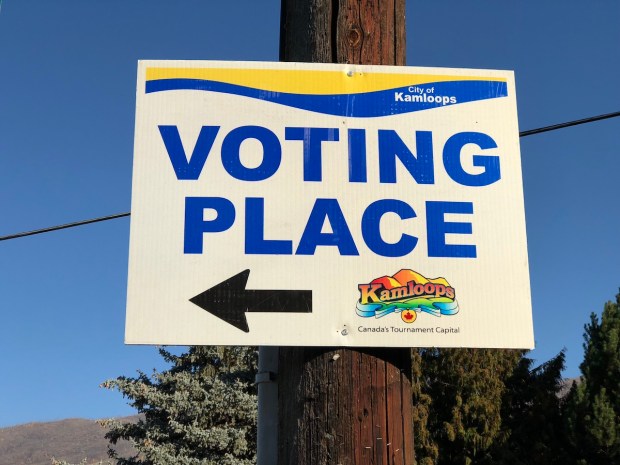
(Image: Mel Rothenburger)
‘WAIT, WHAT? Have you finally lost it, Mel? A big turnout?’
Well, no, I haven’t. There’s always much fretting about low turnouts in our civic elections and, given past results, it’s not unfounded, but current conditions suggest 2026 will be different.
 True, most civic elections in Kamloops attract only about 30 per cent of eligible voters. The rest would rather stay home and watch Netflix than get up and trek to the polls.
In 2022, the turnout was, to be exact, 30.42 percent — almost identical to Kelowna. In 2018, the previous election year, the turnout was 30.6 percent. In 2014, 34.9 percent.
Indeed, if we trace the turnout back to 1990, in most years it was in the low 30s or high 20s. That’s 11 elections. But, there have been rare exceptions, with the turnout tipping above 50 per cent a couple of times.
Community groups try their best (as they should) to boost turnout with information campaigns, forums and entreaties to protect democracy by using our voting privilege, and they debate electronic and mail-in voting, even compulsory voting. Meanwhile, political scientists analyze the things that might affect turnout — busy lifestyles, education levels, income stats, gender, home ownership vs. rentals, etc.
None of that matters. Upward blips in turnout occur when no incumbent is running for mayor (2022 being an exception), there’s a really big issue or when voters are fed up with the current council and want change.
The last two seldom come into play. The first is paramount. Voters put a lot of focus on the top job. They know name recognition counts, and unless the incumbent mayor has really messed up, they leave him or her be, and don’t bother voting.
It doesn’t escape me that a) the incumbent is running again, and b) he’s been, well, not without controversy. To some, he’s an unmitigated disaster; to others, he’s a folk hero, Don Quixote tilting at the windmill we call City Hall.
Everybody knows his name — he’s Reid Hamer-Jackson, who sometimes calls himself “the Real Mayor of Kamloops.” This mayor is a reason to vote. With the race shaping up to be between him and incumbent councillor Mike O’Reilly (with Nelly Dever and Ray Dhaliwal being a possible wildcards), people not only are intensely interested, but they believe they can have an impact.
And then there’s that thing about major issues. There will be at least two of them in this election. One is street disorder, and the fact the current council has failed at doing much about it. The other is transparency and engagement, and the fact the current council has repressed it with restrictions on public feedback, with the added annoyance of using the alternative approval process.
Third is whether the public’s disaffection with the current council and its perceived dysfunction is real. We’ve had lawsuits, leaks, almost daily insults, and a councillor who was forced to apologize for lying.
Elections are always about status quo vs. change. This time, voters will want a say.
Mel Rothenburger is a former mayor of Kamloops, a former school board chair, and is a retired daily newspaper editor. He publishes the ArmchairMayor.ca opinion website. This column is also published in the September edition of The Kamloops Chronicle.


When will this drama and pettiness end? October 17, 2026 can’t come soon enough.
No Incumbents!
LikeLike
lets hope your correct about voter turnout, democracy is not for spectators, you have to get involved if, only by voting ever 4 years.
if, name recognition is important remember present bullying council members are Hall, Bepple, Karpuk, O’reilly, Middleton, Saria, Bass and Neustaeter
LikeLiked by 3 people