
CHARBONNEAU – BC Hydro’s green image is about to get sooty
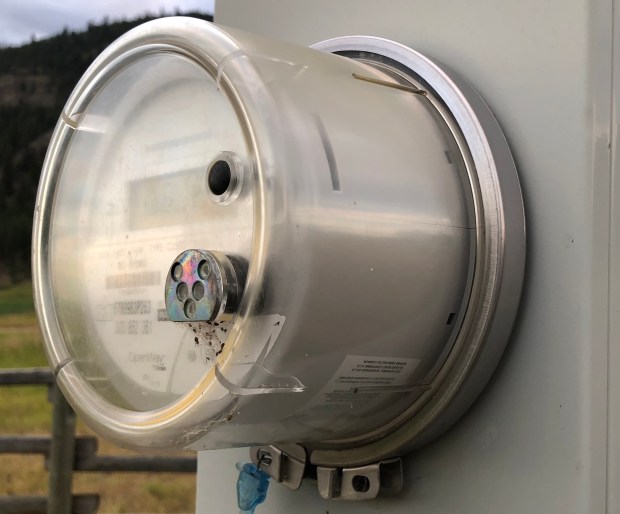
(Image: Mel Rothenburger)
BC HYDRO PRIDES ITSELF in generating green electricity. That’s about to change.
Our publicly owned utility plans to include natural gas fired generators into the mix. Together, the planned gas powered plants will generate 400 megawatts of electricity, enough to cover 80 per cent of the forecasted shortage.
 Burning natural gas is better than burning coal but it’s still a dirty fossil fuel. Twenty two per cent of global fossil fuel emissions come from burning natural gas.
And that number is about to rise with the mad rush to build data/AI centres.
Only a decade ago, BC energy forecasters said that we had more than enough electricity. Studies indicated that we had 50 per cent more electricity than we needed and that Site C dam on the Peace River wasn’t required. In 2015, I quoted economist Professor Marvin Shaffer from Simon Fraser University:
“The key question now is: should the government make an essentially irreversible decision to start construction on Site C potentially years before that decision actually needs to be made?”
How quaint the resistance to building hydroelectric dams now seems. Now the new gold rush is on to build generators to feed the voracious appetite of AI.
Not only do data/AI centres need more electricity in B.C. So do electric vehicles and large industrial consumers such as mines and gas export terminals.
And climate change is causing swings in extreme weather that have repeatedly driven B.C.’s electricity demand to record highs. During the 2021 heat wave, the province saw its peak demand spike to a record 8,568 megawatts. That record was broken in 2024, when a powerful cold snap increased peak demand to 11,300 megawatts.
B.C. is looking for electricity allocation that provides the greatest public good with a prioritization of “economic value per MW.” The total allocation for new data centres and AI projects is 400 MW over two years.
The proposed data/AI centres are not scattered throughout the provinces. Rather, there are three “clusters” proposed for Vancouver, Kamloops, and Prince George. The Kamloops cluster covers three to five locations.
They may not be immune to the new gold rush but at least BC Hydro has a balanced plan compared to other jurisdictions. While BC Hydro is dipping into natural gas, Alberta is diving in.
With no public electricity utility, Alberta’s priority is the profits of Big Oil. Premier Smith wants to maximize gas consumption and minimize green sources such as wind and solar. That province’s data/AI centre gas projects amount to 10 times that of B.C.’s.
BC Hydro also plans more renewable sources such as wind, and solar. Batteries are planned to complement those intermittent sources. For example, a 100 MW battery could power 100,000 homes for 1–4 hours.
However, natural gas throws a wrench in CleanBC’s plans to cut greenhouse emissions. The plan was to cut them by 40 percent by 2030 by electrifying buildings, transport, and industry, while expanding clean electricity and preparing for climate impacts.
Barry Penner, a former BC Liberal cabinet minister who now chairs the Energy Futures Institute, says those goals are unlikely:
“Clearly, there’s been a change in thinking at BC Hydro.”
David Charbonneau is a retired TRU electronics instructor who hosts a blog at http://www.eyeviewkamloops.wordpress.com.


Leave a comment