
LETTER – The curious case of the affluent poor
(Image: Wikipedia)
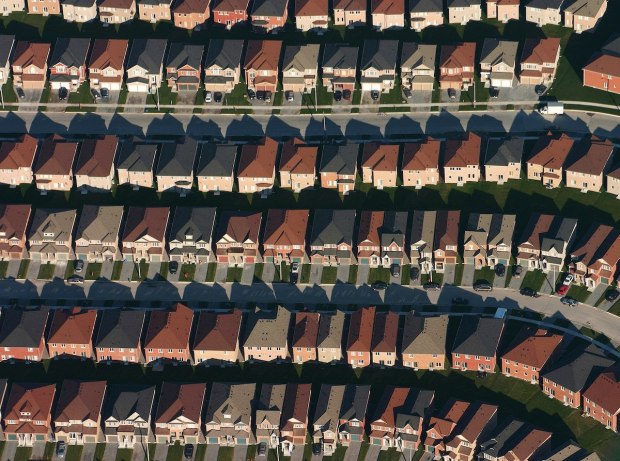
I am sorry to have to say this Canada has for sometime been quietly creating a new class: the affluent poor, people with good incomes who still can’t afford a home without stretching to the brink.
This isn’t accidental. It’s how the system is built.
Builders, facing high land and regulatory costs, favour expensive homes because the margins are better. One luxury house often beats two modest ones. Banks benefit too with larger mortgages meaning more interest over time. And municipal governments? Higher property values generate higher taxes, fees, and development charges.
Each player is acting rationally. But together, they produce a housing market tilted toward the high end, leaving fewer attainable options for everyone else.
The result is a squeeze on the middle class. Nurses, teachers, and small business owners (once the backbone of homeownership) are increasingly priced out or buried in debt. On paper, they’re doing well. In reality, they’re barely keeping up.
If we want affordable housing, we need to realign incentives: faster approvals, lower fees for modest homes, and zoning that supports townhomes, duplexes, and suites.
Until then, the system will keep delivering what it rewards, expensive housing and the ranks of the affluent poor will keep growing.
GARRY DAVIES


I agree with Mr. Davies. Each entity in the housing market acts in it’s own interest, which in the dynamics of the market do not serve the younger members trying to enter the housing market.
With the substantial improvements in building technology, housing should be getting cheaper in relative dollars. We have nail guns and power tools for every building task. In years gone by all these tasks were done by hand. Yet, in the fifties almost anybody that had any kind of job could buy a house and raise a family. Granted houses have gotten larger, fancier with many more features, and the newer houses are much more energy efficient, making them cheaper to heat and cool, making them more expensive to build. The houses built in the fifties and sixties are still out there but their prices are tied to the prices of new houses. A rising tide floats all boats. At this point a new approach is needed.
LikeLiked by 1 person
We have already moved into townhouses, condos, apartments, suites etc. We have also moved into large pick-up for him, nice SUV for her, car for the kids as soon as they turn of driving age, vacations, expensive toys etc. The “affluent poor” is a choice Canadian make every day and no one should be blamed for that but themselves.
LikeLike
Garry one of the major problems for may people is government created inflation. This started in the 1970 with Pierre Trudeau when Capital Gains became taxable income. Government on all levels overspend creating debt that needs to be paid for through taxation This debt is a form of capital infusion causing inflation and a higher tax burden on the consumer, while at the same time higher revenue for the government. The cyclical process always squeezes te middle class. Increased government spending financed by debt, which then fuels demand and causes price increases, is an economic phenomenon often referred to as “demand-pull-inflation” or “fiscal-driven inflation”.
LikeLike
The City of Kamloops implemented 10-year property tax relief for new multi-family housing builds but unfortunately this is often being used for high-end developments like City Gardens, with million-dollar apartments.
The city loses tax revenue and the benefit goes to high-income buyers and builders. We need a more sustainable and equitable system.
LikeLiked by 1 person