
EDITORIAL – ‘Culling’ of ostriches at B.C. farm is a tragic necessity
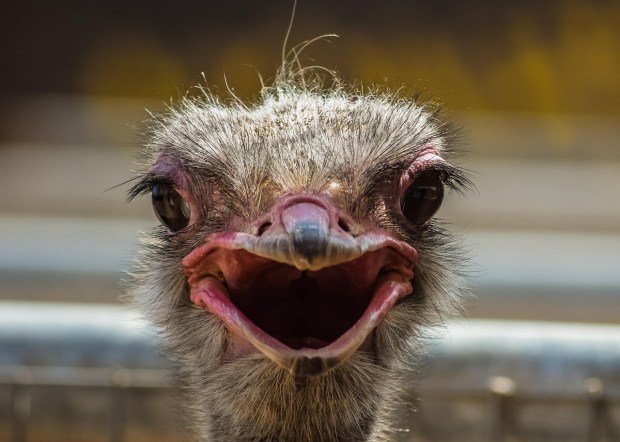
(Image: Dimitri Svektsikas, Pixabay)
An editorial by Mel Rothenburger.
THE OSTRICH SAGA is coming to an end and it’s not a happy one. During the last several months the controversy over a Canadian Food Inspection Agency decision to ‘cull’ hundreds of birds at the Universal Ostrich Farm near Edgewood has captured the attention of media around the world and even gotten some U.S. politicians and a billionaire involved in trying to save them.
Hundreds of supporters of the farm’s refusal to carry out the cull have come and gone during that time, camping out, erecting protest signs and verbally confronting police and agency workers.
But today (Nov. 6, 2025), the Supreme Court of Canada announced it won’t hear a final appeal on their fate. It comes nine months after the original deadline for the cull, 10 months after avian flu was found to be present in some of the big birds. Sixty-nine died.
The farm owners say the remaining birds have herd immunity and could provide valuable scientific insight into avian flu. The CFIB says there’s no evidence the farm has undertaken any research itself, though the owners insist they stopped slaughtering birds for meat a few years ago and have switched to research. Until recently, the farm’s website, apparently not updated, still advertised ostrich meat for sale, “everything from ground ostrich, sausage, jerky and all the various cuts for roasts, steaks, stews and soups.”
See also: ROTHENBURGER – Save the ostriches, if it’s based on science, not emotion
The CFIB also says the remaining ostriches could still carry the avian flu virus and spread the deadly disease outside the herd.
The cull has been a highly emotional, heartbreaking issue. Nobody likes to see a beautiful animal slaughtered, and there’s no pleasant or easy way to kill an ostrich. But avian flu is a very dangerous and contagious disease capable of infecting not only other birds but animals such as dairy cattle and even humans.
For those reasons, the CFIB has an iron-clad “stamping out” policy that requires an entire flock or herd to be slaughtered if just one of them is found to have avian flu. It’s a ruthless policy but a necessary one.
This case will, without doubt, raise calls for a review of that policy. It also raises the question of the very existence of ostrich farming and why we need to eat ostrich meat.
But as incredibly sad as the killing of the ostriches is, the CFIB’s decision was the right one, and so was the Supreme Court of Canada’s. The risks that the flu could be spread beyond the herd make it so.
Mel Rothenburger is a former regular contributor to CFJC-TV and CBC radio, publishes the ArmchairMayor.ca opinion website, and is a recipient of the Jack Webster Foundation Lifetime Achievement Award, and a Webster Foundation Commentator of the Year finalist. He has served as mayor of Kamloops, school board chair and TNRD director, and is a retired daily newspaper editor. He can be reached at mrothenburger@armchairmayor.ca.

 ArmchairMayor.ca
I just read on another site that a professional marksman was used for killing the birds and the shooting went on for hours.
It must have meant absolute terror for the living birds as they waited their turn.
Humane? Approved by veterinarians?
LikeLike
Ostrich meat for human consumption is only one small aspect of ostrich farm production. Ostrich leather for boots, purses, etc is a big seller, the feathers have a ready market, and the meat is often used for dog food.
If the ostriches were only used for research, how were the owners of the farm hoping to make enough income to support 300+ birds, particularly when they had no research grants or contracts to show? Despite what they led their supporters to believe, of course they were going to continue to slaughter birds for meat and leather, as any livestock farmer does.
It is sad when farms lose livestock due to precautionary measures but this is an emotional argument, not a scientific one. All of the farm’s arguments used to manipulate public opinion do not present the full facts, just the cherry-picked ones that seem to support the case but don’t actually do so. For instance, the fact that ostriches exhibit fewer symptoms of bird flu has no bearing on whether the ostriches can spread bird flu.
Bottom line is the farm did not follow reporting guidelines when their ostriches got sick and died from bird flu, guidelines which are there to protect their fellow livestock farmers. As a person from a farm background, I don’t endorse that behaviour at all. It’s a big risk to the rest of the farming community to keep those birds alive. CFIA and the courts did the right thing.
LikeLiked by 1 person