
LETTER – Tired old points ignore the benefits of proportional representation
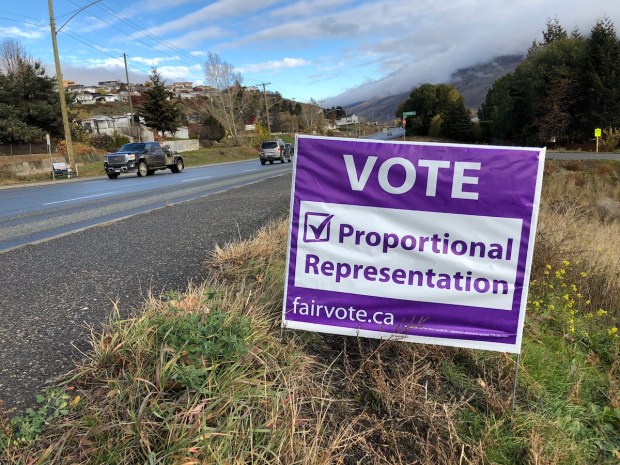
(Image: Mel Rothenburger file photo)
Walter Trkla is right on in his assessment of Rothenburger’s article. Mel’s article is full of the tired old, points that the NO side comes up with time and time again. He is blind to the fact that almost every other G20 nation has chosen to use some form of proportional representation to elect its government. And those governments on every metric, are better functioning than ours.
Mel’s opinions are either willfully supporting the vested interests that want to keep FPTP to maintain their own grasp on power or, he is ignorant of the benefits of PR and is unknowingly passing on the disinformation generated by the NO side.
Mel, should also make himself aware of the built in bias of referenda in maintaining the status quo. There is a strong tendency for voters to support the position their party takes or when they are unsure, to vote the status quo. Referenda fail more times than not. Walter Trkla has underlined education and a simple question as necessary for a fair referendum.
A poll by Mario Conseco in May showed overwhelming support for a move to proportional representation.
As was pointed out, the only reason for the failure of the 2005 referendum was that Gordon Campbell was concerned the referendum would pass, so he set the bar at an unreasonable level or 60% and a majority of ridings. As it turned out, 57% of voters said yes and all ridings but 2 said yes.
Finally, Mel has to ask himself, what kind of democratic system, gives citizens the right to vote and then says that some votes have more power to elect than others. Look at the 2001 election when the NDP got over 20% of the vote but only 2% of the seats. It’s like telling the visiting basketball team that Yes, you can play in the tournament, but you’ll only get 2 points from the 3 point zone.
DARYL STURDY

 ArmchairMayor.ca
“One potential problem with PR and one that doesn’t seem to gather the necessary attention is that too many , will get a potential dreadful upper hand in policy making.”
The above is another example of the tired old arguments of the NO side. If the writer would look at the stats for an election, they would see that of all the many special interest groups receiving votes, the % that they make up is less than % of votes cast. Secondly, most PR systems have a threshold, usually around 5%. Some require the “special interest” party to win at least one seat.
Thirdly, having special interest groups on the ticket in a PR system, allows voters to see them. With FPTP, these special interest groups can hide under the big tent of the 2 or 3 major parties. The present Conservative party is a good example of this with far right groups pressuring the party to adopt their far right agendas.
LikeLike
He may have expressed some opinions, but they are tired old opinions not based on facts.
LikeLike
One potential problem with PR and one that doesn’t seem to gather the necessary attention is that too many special interests groups, usually made up with people with too much time on their hands, will get a potential dreadful upper hand in policy making.
LikeLike
No, Mel is not wrong or lacking understanding of the process. His opinion (which I share) is simply different than yours.
LikeLike
Criticizing proportional representation (PR) while understanding the undemocratic flaws of first-past-the-post (FPTP) lacks logic because PR directly addresses FPTP’s shortcomings, such as wasted votes and disproportionate outcomes. PR by allocating seats based on vote share, ensuring fairer representation. Dismissing PR with opinion rather than evidence ignores its proven ability to reflect voter preferences more accurately, as seen in countries like Germany or New Zealand, where coalition governments balance diverse interests without the distortions FPTP creates.
LikeLike