
GINTA — What makes a community?
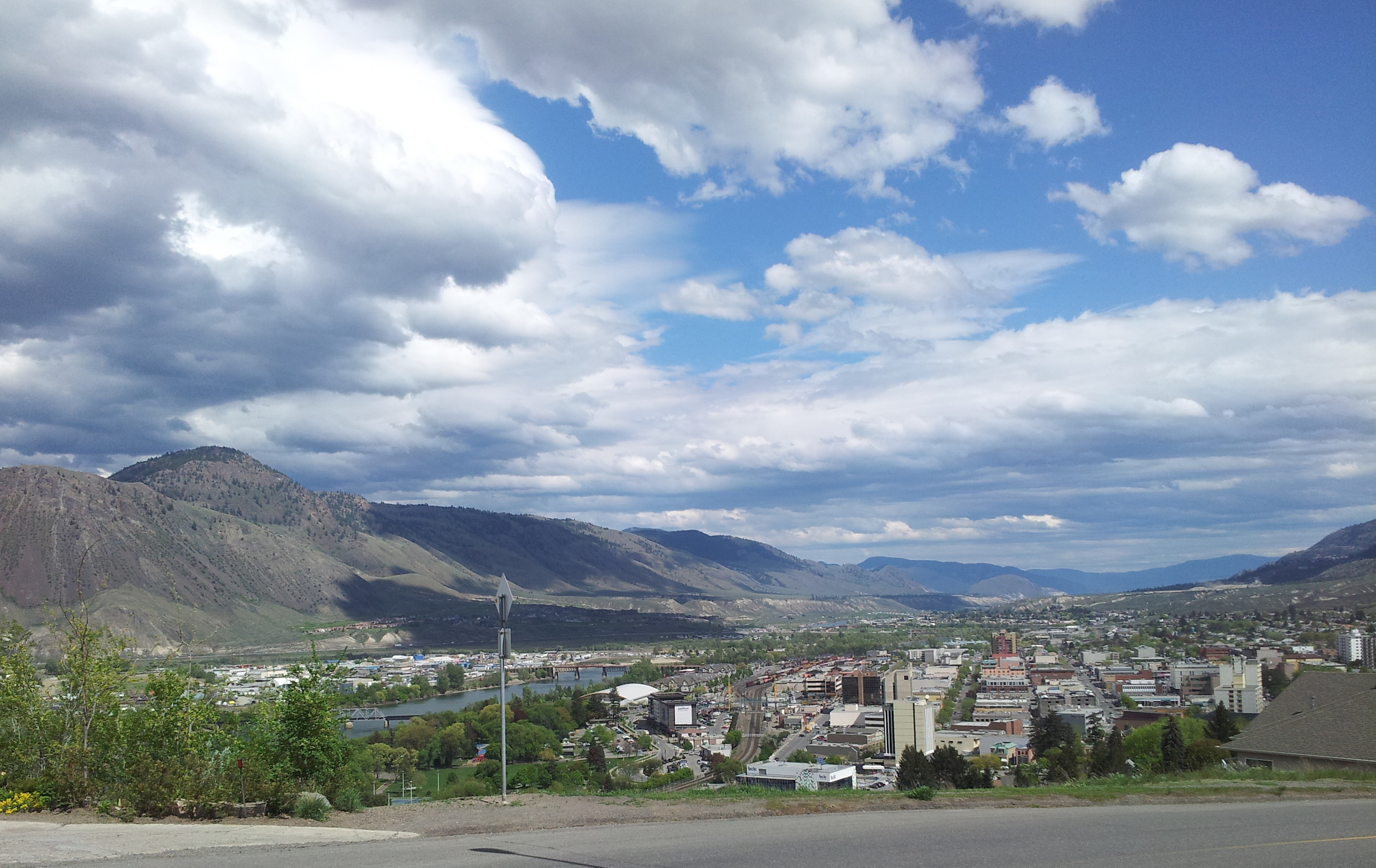
There’s no ideal way to build a community. (Daniela Ginta photo)
Daniela Ginta writes for The Armchair Mayor News on Fridays.
COLUMN — I grew up in a town of 60,000 or so in the middle of Transylvania. I knew all our neighbours on the block, or, better yet, they knew me and I got to know them as I grew up.
 Some of the closest ones would come by for a visit every now and then. Nothing official, just a ‘Hey neighbour, how are things?’ My parents would ask if they wanted a cup of coffee. If no one was in a rush, coffee happened and us kids loved seeing the mellow times and catching bits of stories about this and that. I came to appreciate the value of that years later when I was finding my own dwellings and wishing for the neighbourly tightness I experienced as a child.
If we happened to be sitting down for a meal when a neighbour stopped by, we always brought another chair and invited them to join in. It was a rather seamless process which everyone enjoyed and it kept cementing the good bond between us all.
I grew up knowing that I could step into our neighbours’ homes and be treated like their own kid or grandkid. My sister and I had meals at our friends’ houses, and they did the same at ours.
I especially loved visiting an elderly couple across the street who always had two kinds of treats: the husband was tinkering with various things around the yard and it was fascinating to watch, and his wife had some freshly baked treats ready to eat or, my favourite, noodle soup. And I loved sitting on this old wooden stool, homemade and rounded by many hands that handled it; I loved sitting and chatting with them as I did with my own family.
It was not a perfect environment, I am sure, as nothing ever is. Being a kid means that you live in the bliss of the moment unaware of grownup troubles and that only contributes to the innocence of childhood.
At the same time, I knew that if I needed help of any kind (I got locked out of the house too many times to count), I could go ask for help anywhere on that block. That came with another feature. I knew that all our friendly good neighbours had a certain level of disciplining power, should any of the kids act bratty. And we had to listen, we did so without questioning much, knowing that adults were those people that knew a bit more of the world and life than we did.
It made for a good, safe place to be.
Fast-forward to today. We live in a good safe neighbourhood where we know some people enough to nod, and sometimes the boys play with some of the kids around. There’s not much exchange going on, not yet anyway, and the thought of our family being an island in the middle of many others is inescapable at times…
Before moving here we lived downtown and the next door neighbours’ boys and ours’ would always run on the front lawn and they’d raid the house occasionally for treats and such. To this day we are close and will likely remain so for a long time.
Across the street lived the nonagerian lady who became part of our lives in a sweet and irreplaceable way. She still is, though I cannot dash across the street any longer the way I used to, just to tell her about a beautiful butterfly or take a bowl of fresh pears to her.
She always told me stories of knowing people in the neighbourhood, her kids grew up like that, she said. Including her in our life events and our inclusion in hers happened automatically after a while.
All of the above makes incidents of rotten neighbourhood situations that much sadder and make me wonder what have we to gain by locking ourselves in imaginary ivory towers from where we spy on our neighbours and monitor their mistakes rather than befriend them and strike a conversation every now and then.
Such an incident occurred in Squamish recently when a four-year-old boy decided to streak across the front lawn naked, having just taken off his clothes following a head-to-toe soaking situation as the dad was washing the car. A typical four-year-old and a bunch of chuckles at best, yet the situation turned ugly when the RCMP showed up to check on possible abuse after an anonymous neighbour called in to report.
Take a moment to think. Cul-de-sac, sunny day, sprinkler, silliness and more silliness, because the sprinkler was on and the sun was shining and children live in the moment and, if allowed, they call it by its real name: joy!
Police intervention does not fit well anywhere in there. Who would rely on law enforcers to ‘normalize’ a situation that has nothing wrong in it? In a pocket community of a cul-de-sac or a block, people should know each other well enough to be able to assess whether a situation is grave enough to require police intervention.
What kind of a bond could a person have with the place they live in, from block to town to the world, if such an incident is reported and thus painted with a bad brush? Deep down every one of us – at least I hope so – wants to live in a place where we feel safe and happy when walking down the street.
The thing is, nothing like that exists unless people make it so.
There was a time when people depended on people to make it, in isolated communities especially. I remember talking to someone who lived up north for a few years. In deep winter, she said, they were isolated. Relying on neighbourly closeness and knowing that everyone was looking out for each other made for a tight knit community where people were seen rather than watched.
There is no ideal way to build a community, but like in all circumstances where two or more people are put together, learning to communicate can open up ways to make it happen. Caring too, which is the basis of getting things done. They lead to a sense of belonging, which functions best when and if it is a two-way street.
Like everything else we do in life, we have to make it so.
Daniela Ginta is a mother, scientist, writer and blogger. She can be reached at daniela.ginta@gmail.com, or through her blog at http://www.thinkofclouds.com.

 ArmchairMayor.ca
Great story! It reminds me of my own childhood.
LikeLike
Thanks Daniela, we all have to do more to bring that wonderful recalled time back to the present. A couple of summers ago I was talking with someone I did not know about all the old restored vehicles in his Maple Ridge yard when his wife came out with fresh baking with homemade jam, nice. Love those clouds.
LikeLike