
The trap students face of going into debt
SATURDAY MORNING EDITORIAL — Debt can be our friend, or our worst enemy.
 It can get us what we want or need, or stop us in our tracks.
Students often don’t understand the implications of going into debt to finance their education. In the short term, they see Canada student loans as a way to reach their goals but they don’t foresee the burden they’ll face in the longer term.
How can they? Most students are in their late teens or early 20s and have never had to deal with debt. It seems far in the future. Repaying student-loan debt with a few hundred dollars a month doesn’t seem like much.
But when reality sets in and they’re paying rent, food, transportation and other basic necessities, and a big student loan debt on top of it, it can be crippling.
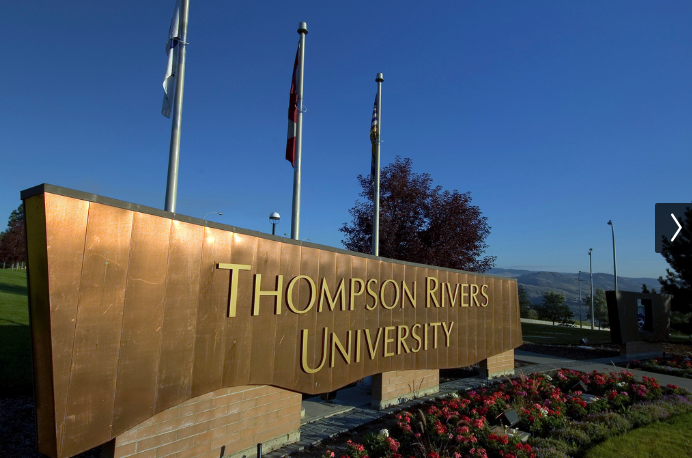
The Omega, the student newspaper at Thompson Rivers University, recently had a good article on the topic. It pointed out that a Bank of Montreal survey in 2012 showed 49 per cent of students were in debt with education loans.
Fifty-eight percent of them expected to graduate with $20,000 in debt while 21 per cent expected to be $40,000 in the hole.
And almost half of them weren’t expecting to be out of that hole for at least five years.
The Omega calculated that a student who graduates with $20,000 of debt and repays it in 10 years using the six-month interest-free grace period provided by Canada Student Loans would pay more than $9,000 in interest.
Some students, of course, don’t have a choice. They can’t work full time and go to school too, and they very often can’t save enough from their summer jobs.
It would be easy to say the answer is for government to more heavily subsidize university education, and to give more to university operations so student fees are kept lower.
That’s not going to happen any time soon. A way needs to be found, though, to help students make careful and informed decisions about education debt so they can enjoy the benefits of all their hard work after they’re handed their diploma.

 ArmchairMayor.ca
For most, the investment in education pays dividends. While there will be examples of students with high debt loads being unable to find jobs, the full view of the data reveals that the vast majority view incurring student debt as a worthwhile thing. According to Time magazine, in terms of post secondary education, Canada leads the world.
I don’t regret my student loans and saw them as vital to reaching my goals.
LikeLike
I taught at a private college in the U.S. for a year. The tuition fees were something like $37,000 per year, an astronomical sum in comparison to student expenses here in Canada. Many families down there are more than willing to go into severe debt to put their kids into top-notch colleges. And the reason is that going to College is considered an important life experience. Getting a degree at a college with a name is equally important since employers are often looking for people with the right college pedigree. Anyway, I am not a big fan of their system. In my opinion, access to education, like access to health care, should be a basic right. Yes, education is expensive, but it is important enough that our gov’t should make it a priority. The existing attitude is that well, if you think education is important, then you should be willing to pay more for it. Therefore, universities are being run increasingly like businesses, something which they were never intended to do in the first place. In short, we are gravitating towards the American model.
If education really is important ot all of us, then gov’ts should be spending more on it and making it easier (financially) for people to get a degree. To quote a former Harvard president ” If you think education is expensive, think about the cost of ignorance.”
LikeLike
I don’t have a solution for them either, but I don’t think that the taxpayer should be responsible for that either. Something that may help though, is that these loans should be interest free when they graduate, and maybe have smaller payments until students are working in the field that they studied for. Also, maybe loans should not be granted for studies that do nothing more than give a student bragging rights to a degree that does not advance them towards any kind of career at all.
LikeLike
Students could also learn a trade at a technical school, instead of taking bachelor of arts at a university.
LikeLike