
CHARBONNEAU – Big Oil’s fix for declining fossil fuels: plastics
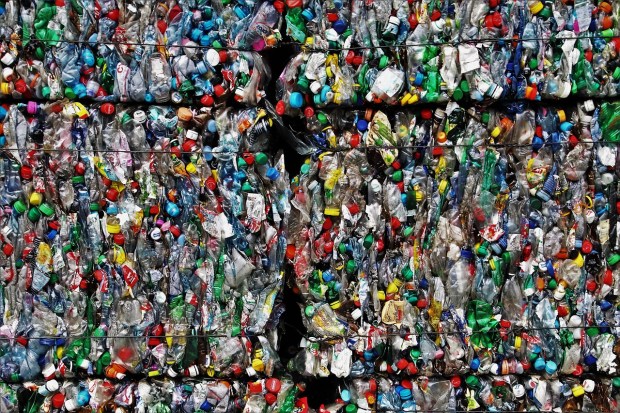
(Image: Pixabay.com)
THE HOPES OF environmentalists to leave oil in the ground have been dashed.
Big Oil is not going to let declining fossil fuel use get in the way of profits. The continued growth of the plastic industry is the ticket.
 Big Oil companies “know they can’t hold their finger in the dike” of an energy transition, says Judith Enck, a former U.S. Environmental Protection Agency official. “They have a gigantic new market, and they have landed on plastic.”
ExxonMobil, the world’s largest producer of single-use plastics, plans to increase production of the chemicals that make plastic by 80 per cent by 2050.
As the looming dangers of climate change push the world away from fossil fuels, the industry is betting on plastics to protect its profitability.
It might seem like the world is saturated with plastics. But the use for plastics is increasing and so is the demand in Third World countries as they become more consumer oriented.
Plastics have become synonymous with modern living. Just look around at the clothes we wear, the furniture we sit in, and the cars we drive.
One half of all plastic goes into single-use items that are tossed away almost as soon as they are acquired. A million plastic bottles are purchased each minute, according to the United Nations’ environmental agency. Five trillion plastic bags are used every year.
Some plastic items have become indispensable, such as plastic gloves, syringes, tubing and IV bags. Then there are artificial joints, limbs and hearts.
Despite efforts to curb the growth of single-use plastics, increased production seems unstoppable.
About 175 countries have taken part in the UN treaty negotiations to draft a plastics-pollution treaty but there has been pushback from oil producing countries and belligerent leaders.
The mad king of America loves plastic. In February 2025 he posted “BACK TO PLASTIC” on social media, referring to his intention to reverse a plan for the government to move toward paper straws.
Over 100 of those countries, including Canada, support a treaty with legally binding goals that would reduce plastic production, especially problematic plastics, phase out single-use plastics, and address the full life cycle of plastics from manufacture to waste.
Opposed are countries such as Saudi Arabia, Russia, and America.
Big Oil tries to greenwash plastics by saying they could be recycled. That’s an excuse to keep pumping them out. Despite our best efforts, only about 6 per cent of plastics are recycled.
One recent study found microplastics in tissue from human kidneys, livers and brains. Another study of 12 dementia patients’ brains showed greater accumulations than those of people without the disease.
Research found the tiny particles in the neck-artery plaque of nearly 60 percent of patients tested. Three years later the rates of heart attacks, strokes and death were 4.5 times higher among people whose samples contained microplastics.
The production of plastics produces carcinogens such as formaldehyde, ethylene oxide and 1,3-butadiene.
Big Oil produces toxic “forever chemicals” such as polychlorinated biphenyl and perfluorooctane sulfonate that persist in the body for years. They bind to proteins in blood and organs and interfere with hormone systems.
If Big Oil doesn’t kill us with climate change, they’ll finish us off with plastics.
David Charbonneau is a retired TRU electronics instructor who hosts a blog at http://www.eyeviewkamloops.wordpress.com.

 ArmchairMayor.ca
Leave a comment