
LETTER – Referendum process would have revealed problems with PAC site
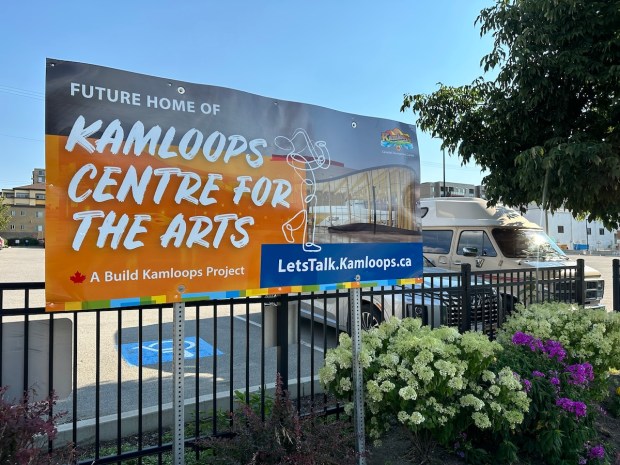
(Image: Mel Rothenburger)
If Council had taken the democratic route and pursued a referendum rather than relying on the Alternate Approval Process (AAP) for the Multiplex and the Performing Arts Centre, the public hearing component would have exposed a critical issue early on: the suitability of the proposed sites.
A referendum process would have required full disclosure, public scrutiny, and transparent evaluation. Instead, the Build Kamloops select committee process has failed to provide meaningful oversight.
Both proposed sites have now been revealed as requiring major, costly rehabilitation before construction could even begin. This is exactly the kind of information that must be examined before authorizing debt, not after commitments are made and taxpayers are left holding the bill.
Going forward, any major building project or land purchase must undergo the level of public review and accountability that only a referendum process provides. A referendum compels city administration and council to justify the need, cost, location, and long-term impact ensuring voters are fully informed before their tax dollars are committed.
For these reasons, Council should reconsider the current AAPs and instead submit these proposals to a binding referendum during the upcoming civic election. This is the only path that restores public trust, strengthens democratic participation, and ensures responsible stewardship of taxpayer money.
GARRY DAVIES

 ArmchairMayor.ca
A referendum is more transparent and democratic than an AAP.
It’s now just over 10 months until the next election. Gaining taxpayer approval for a new RCMP building via referendum would be a good-faith move on council’s part at this point.
LikeLike
You’ve made some great points, Garry. Thanks for your letter. Mayor and Council should reconsider the AAP and follow what you have outlined.
Until then, as the digging proceeds, I am curious to find out what, if anything, of the former Kamloops Daily News building was left behind and buried. Was that demolition done in 2017? How many bricks, how much concrete, how much rebar and how much asbestos or other environmentally-sensitive materials could have been left there and buried?
If the printing press was left behind and buried, I propose that a crane remove it, then transport it to City Hall as a monument. Any and all appropriate names could be put onto a brass plaque to be attached to the press for all to see.
LikeLike
The presses were not buried. Tim Shoults, who was publisher of KDN at the time, confirms they were removed and sold for scrap metal.
LikeLike