
Drawing the line on keeping wild creatures in captivity
SUNDAY MORNING EDITORIAL — The Vancouver Aquarium is going through its never-ending appointment with the dentist, that is, another public discussion of whether it should keep whales and dolphins in captivity.
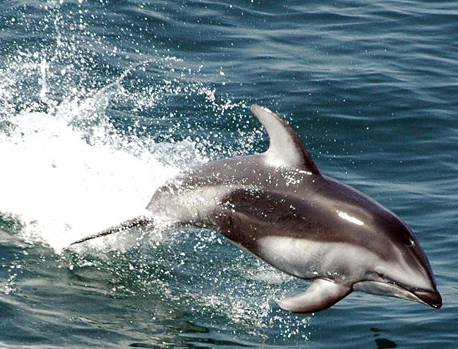
(Vancouver Aquarium photo)
It’s a surprisingly divided argument. By and large, the public argues that keeping them in captivity is cruel because they’re confined to small quarters and their lives are dominated by extended periods of boredom and a lack of all the natural aspects of life in the wild.
But those who keep and care for the captive creatures insist they’re loved and well-looked after, and that they provide an important educational opportunity for the public. And, they point out, captivity is the only option for whales and dolphins who have been injured and require rehabilitation. They simply wouldn’t survive in the wild, say the aquarium operators.
The rescue and rehabilitation of wild creatures is a noble thought. It’s one that our own B.C. Wildlife Park has subscribed to since the day it was opened. An adjunct to caring for injured animals is the captive breeding program that aims to save species from extinction.
Indeed, the Vancouver Aquarium no longer participates in the capture of whales and dolphins from the wild and has done much good research on nursing sick ones back to health and even release. It stopped capturing whales, dolphins and porpoises from the wild in 1996. The current issue seems to be whether the aquarium should keep any in captivity at all, or end its research program.
It seems a good place to draw the line: adopt the philosophy that we shouldn’t use other species for our own entertainment, that we should not capture and incarcerate or breed healthy specimens and that we’ll keep only those animals in captivity that would otherwise not survive or whose species is in extreme danger.

 ArmchairMayor.ca
Leave a comment