
‘What is a senior?’ a good question at symposium
SATURDAY MORNING EDITORIAL — One of the more interesting questions posed at Friday’s Seniors Symposium in Kamloops was, “What is a senior?”
While the stereotypical senior has silver hair, maybe a cane, and spends winters in Florida, there’s no really good definition. One definition is “an elderly person, especially one who is retired and living on a pension.”
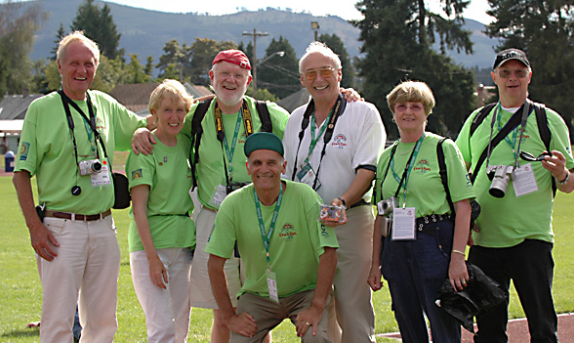
(Kamloops Seniors Games photo)
While that definition is still in use, it’s way outdated, beginning with who is elderly and who isn’t. Newspaper reporters in their 20s and 30s have a habit of describing anyone over 60 as “elderly.” Sixty-year-olds don’t view themselves as elderly.
The previously dreamed-of retirement age of 62 is no more, both by choice and necessity. Go into any building supply store and the person who goes looking for a left-handed skyhook for you has likely had several careers and is still going strong.
And, yet, the older generation — you decide at what age it begins — contends with a perception that it’s a drain on the wallets of younger generations. Health Minister Terry Lake, while complimenting seniors, told a business luncheon Friday that the 65-74 age bracket makes up eight per cent of the population and uses 15 per cent of the province’s health services. The 75-plus bracket composes seven per cent of the population and uses 40 per cent of the services.
That’s to be expected, he pointed out, because as people get older they begin collecting multiple chronic ailments and need more support. The challenge for the healthcare system is that people keep living longer and putting more pressure on the ability of the system to sustain itself.
And yet, Baby Boomers inject major doses of capital into the economy because they’ve worked hard, saved their money and want to live well. Over their lifetimes, they invest much more in their communities than they get back.
Isobel Mackenzie, B.C.’s seniors advocate, told the symposium that seniors — again, you pick the age categories — give back much more to society than they receive. That’s hard to substantiate with hard figures, but one only has to look at any volunteer organization to figure out how much communities depend on those in older age groups.
Trying to define who is a senior and who isn’t is pointless, anyway, because some 90-year-olds are in better shape than some 50-year-olds. What’s important is that myths such as the one that says seniors are a drain on the system are put to rest.

 ArmchairMayor.ca
Leave a comment