
Bears, cougars, coyotes wake up for spring
NEWS/ WILDLIFE — With summer on its way, British Columbians are not the only ones getting ready for the warm weather. Bears are coming out of hibernation and other animals, such as cougars and coyotes, are becoming more active, increasing the chance of human-wildlife encounters.
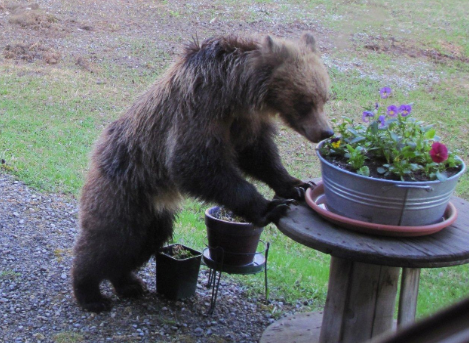
WildSafeBC photo.
The B.C. Environment Ministry and WildSafeBC are urging people to put away food attractants including improperly stored garbage, bird seed and pet food. Access to such non-natural food sources is the main cause of human-wildlife conflicts in B.C.
Bears emerging from hibernation are looking for food and will quickly learn how to get at convenient food sources. This leads to food-conditioned behaviour and increases potential conflicts with people, says the ministry.
“Whether it is a dirty barbecue or food scraps in composts, bears need to locate food only once to develop a feeding pattern and will continue to return to the area.”
Other animals, such as young cougars, roam wide in search of unoccupied territory, increasing their chances of wandering into residential communities, parks and campgrounds. Coyote pups are born in the spring and by July, are attempting to hunt on their own.
For advice on reducing conflicts with wildlife such as bears, cougars, coyotes and deer visit the WildSafeBC website at: http://www.wildsafebc.com/front.
Communities where attractants are managed properly have seen a decline in related human-wildlife conflicts and in the number of animals destroyed, said the environment ministry.
Human-wildlife conflicts that threaten public safety or result in significant property damage can be reported to Report All Poachers and Polluters (RAPP) line, toll free at 1 877 952-7277 (RAPP), or visit the RAPP website at: http://www.rapp.bc.ca.
In 2013-14, the Conservation Officer Service received 28,063 calls regarding human-wildlife conflicts. Of those calls, 16,180 involved human-bear conflicts.

 ArmchairMayor.ca
Leave a comment