
Proposed ALR changes raise alarm; TRU faculty among scientists critical of Bill 24
By MIKE YOUDS
Major reforms to B.C.’s agricultural land reserve are before the legislature as critics, including those in the Thompson-Nicola region, are hoping that the Liberal government will listen to widespread concerns.
Agriculture Minister Norm Letnick is expected to get an earful on the proposed reforms when he meets on Wednesday with the B.C. Agriculture Council, which opposes the changes.
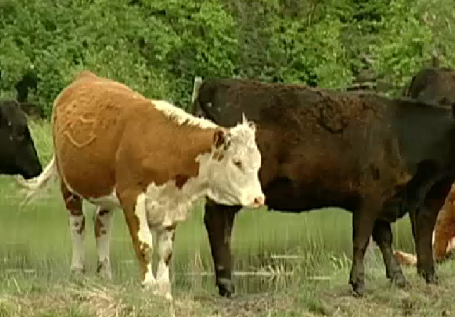
ALR changes are being challenged.
Defenders of the status quo – a vocal lobby that includes farmers, scientists and environmentalists – are hoping that the new minister is more open to listening than his cabinet colleague, Bill Bennett, who spearheaded the reforms as core review minister.
“I know that we could have done a better job of consultations and I take my mea culpa,” Bennett said after announcing the changes.
The more controversial changes include dividing the province into two zones and giving regional panels greater autonomy in land-use decisions. Zone 1 would include the most populous regions – the Lower Mainland, Fraser Valley, Okanagan and Vancouver Island – where development pressures are greatest. There, ALR rules remain intact. In Zone 2, the North, Kootenays and the rest of the Interior, farmland protection would be loosened.
A group of B.C. scientists sent a letter of protest to Premier Christy Clark. The ALR changes jeopardize species at risk, threaten many common species and will also affect many species prized for hunting, they wrote. Lauchlan Fraser, TRU professor and Canada Research chair in community and ecosystem ecology, had no hesitation putting his name to the letter.
“I received it at 9 a.m. and I signed it by five past,” he said.
The letter originated with UBC scientists, including one of Fraser’s doctoral students, Bill Harrower. Harrower told the Globe & Mail that the protest was motivated by widespread concern in the scientific community. Their concerns apply to all regions of the province, but agricultural production isn’t their bone of contention. The ALR has been an important tool for protecting B.C.’s rich biodiversity even though its primary mandate is to preserve arable land for agricultural production.
“When you focus on crop production, you can reduce other values,” Fraser said. “By setting up a tiered system, it discounts the value of biodiversity that is perhaps not obvious. That’s a major concern because we should be thinking about other important ecological values.”
“I don’t want to see a second zone,” said Ed Basile, a local potato grower. Basile recalled the words of ALR chairman Richard Bullock at a recent B.C. Farmers Market Conference.
“He said over his dead body would he like to see it.”
Bullock has tangled horns with the province for refusing to accept government appointments to the ALR board.
The Kamloops area represents one of the largest farmers markets in the province, a sign that a new generation of growers is moving into the sector. Now is the time to better preserve farmland, not to reduce protections, Basile believes. Without the ALR, the Fraser Valley would be residential from Chilliwack to the Coast, he said.
Dave Comrie, who operates Riverbend Orchard in Westsyde and served on the City’s agricultural plan committee, said he still doesn’t know whether the region is included in the new zone or not.
“Our stand, through our provincial body, is that there hasn’t been enough consultation,” said Comrie, vice-president of the Shuswap-Thompson Organic Producers Association.
“We don’t know – I haven’t heard that it will affect the Kamloops area.”
Some of the confusion may stem from the way Bennett stick-handled the reforms. Comrie doesn’t personally support the idea of a second zone in the ALR, where land-use decisions would take into account a different and broader set of considerations.
And he doesn’t understand how the province can suggest that freeing up farmland for development could help draw more young people into the agricultural sector. Development demand would push land costs higher, making it more difficult to take up farming.
Comrie said he found the ALC “very co-operative” but producers have had varied experiences.
“We need all the agricultural land we can get for sustainability,” he said. “There is interface (within Kamloops) that’s happening now. There’s pressure from all sides. We can’t erode agriculture.”

 ArmchairMayor.ca
Leave a comment