
Program reduces human-wildlife conflicts
NEWS — The provincial government will provide $275,000 to WildSafeBC to reduce human-wildlife conflicts.
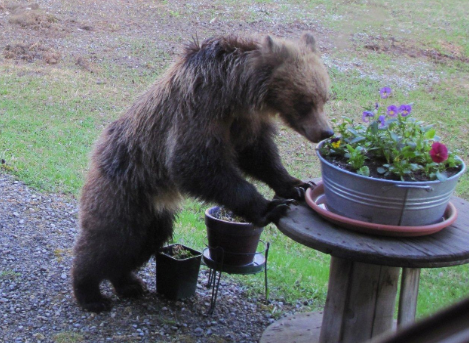
WildSafeBC photo.
Lands and Forests Minister Steve Thompson made the announcement at Friday’s annual general meeting of the B.C. Wildlife Federation.
WildSafeBC is an expansion of the Bear Aware program and includes other species such as deer, coyotes and cougars.
One hundred communities including Kamloops will receive support from the program through 20 community coordinators who will lead education programs and make presentations to community groups and schools.
“The responsibility to manage human-wildlife conflicts rests with everyone,” said Thompson.
“It requires participation from all levels of government and local citizens to be successful. It only takes a few simple steps to reduce the number of conflicts, and WildSafeBC is a valuable resource in keeping communities and wildlife safe.”
WildSafeBC coordinator Frank Ritcey said core funding from the provincial government will enable partnerships between municipalities, regional districts, First Nations and private trusts.
Quick Facts:
- Communities where attractants are managed properly have seen a decline in related human-wildlife conflicts, and in the number of animals that have to be destroyed.
- The most effective and natural way to reduce human-wildlife interaction is to put away food attractants such as garbage, birdseed, compost, pet food and fruit.
- Relocating wildlife is neither viable nor a long-term solution in managing these kinds of conflicts, according to WildSafeBC. “Often, relocated wildlife will return to conflict situations or will not survive competing with already established populations.”
The B.C. Conservation Foundation has administered Bear Aware, and now WildSafeBC, since 1998.

 ArmchairMayor.ca
Leave a comment