
Like Father, Like Son chronicles two families trying to cope through trying circumstances
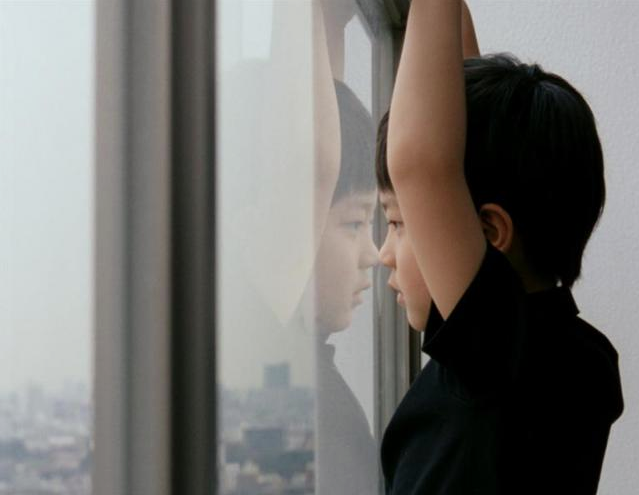
Scene from Sochite, Chichi ni Naru (Life Father, Like Son).
ARTS/ ENTERTANMENT (REVIEW) — Soshite, Chichi ni Naru (Like Father, Like Son). Directed by Hirokazau Kore-eda, Japan. IFC Films.
By JACOB ROTHENBURGER
The Kamloops Film Society should be praised for its choice of films. This year’s selections have repeatedly impressed by being consistently meaningful and thought-provoking without being dull or mired in their own self-satisfaction, as some arthouse titles tend to do.
The society has succeeded in exposing its membership to otherwise niche titles, not the less from its willingness to screen non-English language films. The trend continued Thursday evening with their latest offering, the Japanese film “Soshite, Chichi ni Naru.”
In some ways the film is the story of its nominal protagonist, Nonomiya Ryouta, but in a broader sense it is that of two families doing their best to cope through trying circumstances.
After the Nonomiyas’ son puts in a mandatory blood test, the hospital is alerted to the bizarre revelation that their son was accidentally switched with another shortly after his birth, and they have been raising another couple’s child for the last six years. All four of the principle characters now face the heart-wrenching decision of whether to continue on as-is, or make an exchange.
The contrast between the two families is immediately apparent. The Nonomiyas are high-class types, inhabiting a spacious, stylish apartment filled with the latest gadgets. Their so-called son takes piano lessons and is accepted into an expensive private school.
Meanwhile, the Saikis run a cramped shop out of their home, and while they don’t seem to be struggling they clearly aren’t living in the lap of luxury.
The two competing lifestyles are deliberately played off in the form of the two fathers, whose differing parenting styles become a bone of contention. Mr. Saiki, in a tone at once both arrogant and imploring, bluntly tells Ryouta that he spends too much time working and not enough with his son, and the latter gradually comes to understand his position.
“Father works too much” is a well-worn cliche, but “Soshite, Chichi ni Naru” is able to employ it in a way that feels genuine rather than hackneyed. After much soul-searching, the two families elect to swap sons, but here the drama is only beginning.
The film is at its strongest in its little moments of family life, when the characters eat, bathe, and play Wii together. The children in particular tend to steal every scene in which they appear.
Mr. Saiki, initially coming off feckless and obsessed with scalping money from the hospital that made the error, later proves himself as a loving father and skilled handyman.
Ryouta, meanwhile, is rightly called out as disaffected, but gradually manages to ease his way back in. Here is where the actors truly shine; not in the life-altering excitement of the main plot, but in the genuine and everyday.
Events tumble over one another into a satisfying conclusion, which seems to crystallize several times only to subvert viewer expectations and rekindle speculation.
Like many Japanese films, it feels a little long, yet in this case manages not to overstay its welcome, remaining engaging throughout. “Soshite, Chichi ni Naru” raises intriguing questions about blood vs. water, nature vs. nurture, and the fountainhead of parental love.

 ArmchairMayor.ca
Leave a comment